Mandatory climate disclosure is no longer a policy proposal in Australia. It is law. Passed in late 2024, the legislation establishes a phased implementation of the Australian Sustainability Reporting Standards (ASRS), requiring covered entities to disclose their climate-related risks, opportunities, and emissions.
For operations and supply chain managers, the key challenge is Scope 3 emissions. Unlike Scope 1 (direct emissions) and Scope 2 (indirect emissions from energy use), Scope 3 emissions occur in the value chain, including outsourced activities like third-party logistics (3PL) and carrier transport.
Because Scope 3 emissions often make up the largest portion of a company's carbon footprint, measuring and reporting them is critical for compliance. This article covers what the regulations require, who they apply to, and how your choice of logistics partner affects your compliance.
What Is Scope 3 and Why Is It So Difficult to Measure?
The Greenhouse Gas (GHG) Protocol categorizes emissions into three scopes:
Scope 1 (Direct): Emissions from sources owned or controlled by the reporting organization (e.g. company vehicles).
Scope 2 (Indirect): Emissions from electricity, heating, or cooling purchased by the organization.
Scope 3 (Value Chain): All other indirect emissions in the value chain, both upstream and downstream (e.g. purchased goods, waste disposal, employee commuting, and outsourced logistics).
Scope 3 emissions are difficult to measure because they occur outside your direct operational control. You rely on data from suppliers, carriers, and 3PL partners, who may not track or report their emissions to the standard required for statutory audit.
ASRS Emissions Scopes Breakdown
| Emissions Scope | Definition | Logistics Example | Level of Control |
|---|---|---|---|
| Scope 1 (Direct) | Emissions from sources owned or controlled by the reporting organization. | Fuel consumed by company-owned delivery trucks, heating systems. | Direct Control |
| Scope 2 (Indirect) | Emissions from the generation of electricity, heating, or cooling purchased by the organization. | Electricity used to power warehouse lighting, conveyor belts, and HVAC. | High Control (via utility selection) |
| Scope 3 (Value Chain) | Indirect emissions that occur in the upstream and downstream activities of the reporting organization. | Outbound freight handled by third-party carriers (e.g. AusPost), 3PL warehousing. | Indirect (influenced via partner selection) |
Who Must Report Scope 3 Emissions in Australia and When
The ASRS reporting requirements apply to large entities and are being rolled out in three groups, starting with the largest entities in FY2025-26.
If your business meets the thresholds for any of these groups, or if you report under the National Greenhouse and Energy Reporting (NGER) scheme, you must comply with the ASRS disclosures, including Scope 3 emissions.
ASRS Reporting Groups and Thresholds
| ASRS Reporting Group | Threshold Criteria | ASRS Reporting Starts |
|---|---|---|
| Group 1 (Large Entities) | Meet 2 of 3: Revenue > $500M, Assets > $1B, Employees > 500. Or NGER reporters. | FY 2025–2026 |
| Group 2 (Medium Entities) | Meet 2 of 3: Revenue > $200M, Assets > $500M, Employees > 250. | FY 2026–2027 |
| Group 3 (Smaller Covered Entities) | Meet 2 of 3: Revenue > $50M, Assets > $25M, Employees > 100. | FY 2027–2028 (or later) |
Even if your business is in Group 3 or falls below the reporting thresholds entirely, you may still need to track and report emissions. Large entities in Group 1 are already auditing their supply chain and demanding carbon data from their suppliers and partners. If you are a B2B supplier or retail partner to a Group 1 entity, your emissions are part of their Scope 3 numbers, and they will expect you to provide accurate data to maintain the relationship.
What Scope 3 Reporting Actually Requires You to Disclose
Under the ASRS framework, reporting entities must disclose:
- Gross Scope 3 emissions: Broken down by category (such as transportation and distribution, purchased goods, and waste).
- The methodology used: The calculations, assumptions, and emissions factors used to determine the numbers.
- Climate-related risks and opportunities: How climate change affects your supply chain, and your plans for managing those risks.
The ASRS requires disclosures to be audited. This means your emissions data must be supported by evidence and calculations that can withstand statutory audit. Estimates or policy statements are not sufficient.

The Scope 3 Categories That Matter Most for eCommerce and Retail Logistics
The GHG Protocol identifies 15 categories of Scope 3 emissions. For retail and e-commerce brands, logistics activities fall primarily into three categories:
Key Scope 3 Categories for Logistics
| Category | Name | Logistics Relevance | Core Data Required |
|---|---|---|---|
| Category 1 | Purchased Goods & Services | Emissions embedded in products, raw materials, or outsourced operations. | Supplier carbon data or emissions factors based on material weight/cost. |
| Category 4 | Upstream Transportation & Distribution | Freight of inventory from factory to 3PL, ocean/air cargo emissions. | Carrier fuel use, shipping weight, and distances traveled. |
| Category 9 | Downstream Transportation & Distribution | Last-mile courier and delivery of products from 3PL to end customers. | Parcel delivery counts, destination zones, carrier carbon intensity rates. |
For most brands, Category 4 and 9 (upstream and downstream transport) represent the largest share of Scope 3 emissions. Auditing and reducing emissions in these categories requires close cooperation with your logistics provider.

Why Your 3PL Partner Is Now a Compliance Variable
Your 3PL partner manages your warehousing and, often, your carrier relationships. From a compliance perspective, they are the source of the data you need for your Scope 3 disclosures.
If your 3PL does not track their energy use, fuel consumption, or carrier emissions, you will have a gap in your data that cannot be bridged. This makes your 3PL partner a compliance variable: their capability directly affects your ability to comply with the law.
A strategic partner helps you manage this risk by providing accurate, activity-based carbon emissions reports. They also actively reduce your footprint by operating solar-powered facilities, using electric equipment, and offering paperless workflows.
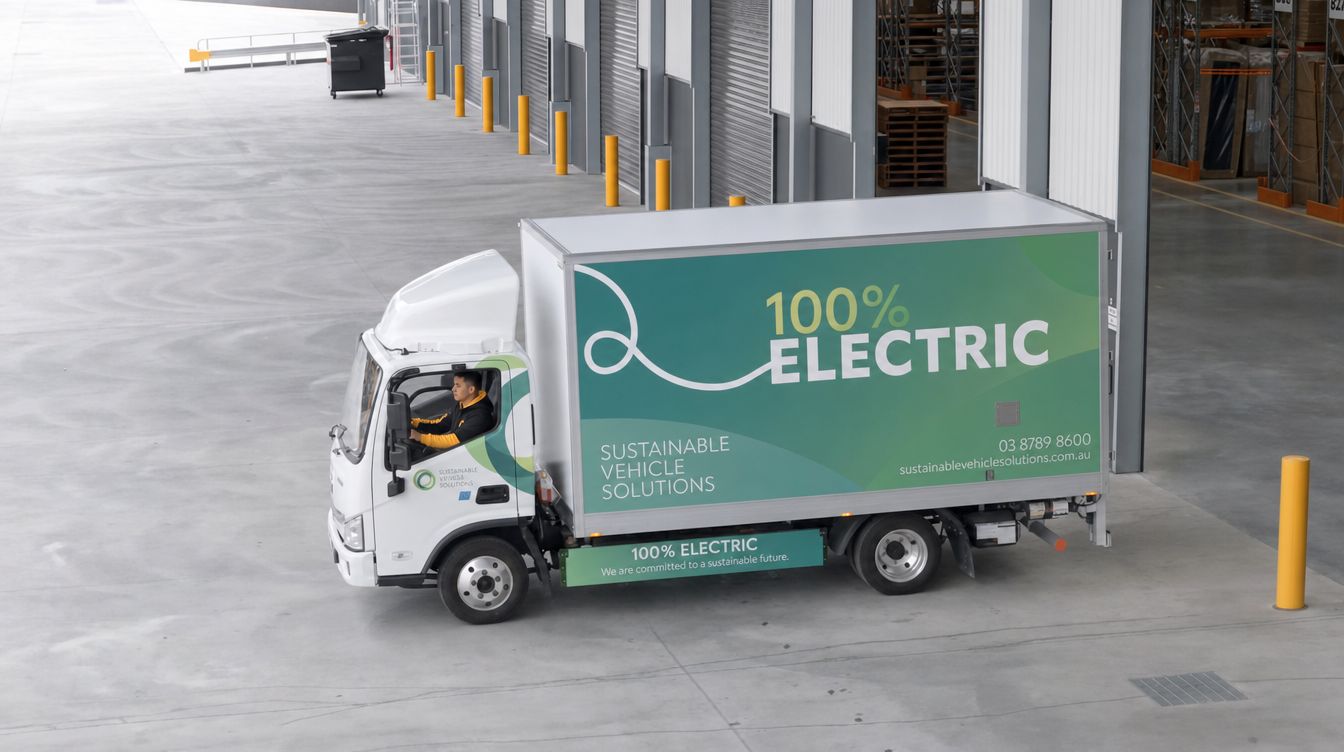
Fulfillio's facilities operate with solar power. Warehouse operations run on fully electric machinery, including order pickers, forklifts, turret trucks and tuggers. Operations are paperless across all five sites. We provide quarterly activity-based carbon intensity reports for our clients' compliance needs.