Most businesses know when their 3PL is failing them. The signs are not subtle: orders going out wrong, inventory counts that do not add up, an account manager who only calls back after the complaint has already been lodged.
What is harder to articulate is what good actually looks like. Not in abstract terms, but operationally. What, specifically, should a premium 3PL partner be delivering that a basic warehouse provider does not?
The answer comes down to four pillars. Four things that genuinely separate a strategic logistics partner from a storage facility that happens to pick and pack. If your current 3PL delivers all four, you have something worth protecting. If they are missing one or more, you already have your answer about why the relationship costs more effort than it should.
01 Adaptability: Built Around Your Operation, Not Theirs
Most 3PLs are engineered for the easiest possible product: the standard eCommerce parcel. Small, light, uniform. That model runs efficiently at scale, and the providers who built it are good at it. The problem is that it stops working the moment your product is bigger, heavier, more fragile, or more valuable than a shoebox.
Adaptability at the premium level means one specific thing: the 3PL configures their systems, infrastructure and processes around your operation. Not the other way around. Their WMS is adjustable to your SKU profile. Their racking accommodates your product dimensions. Their staff are trained on your specific handling requirements before your first pallet arrives.
It also means they scale with you. A provider that handles your current volume cleanly but falls apart when you run a promotion, launch a new channel, or expand nationally is not a strategic partner. They are a capability ceiling with good onboarding.
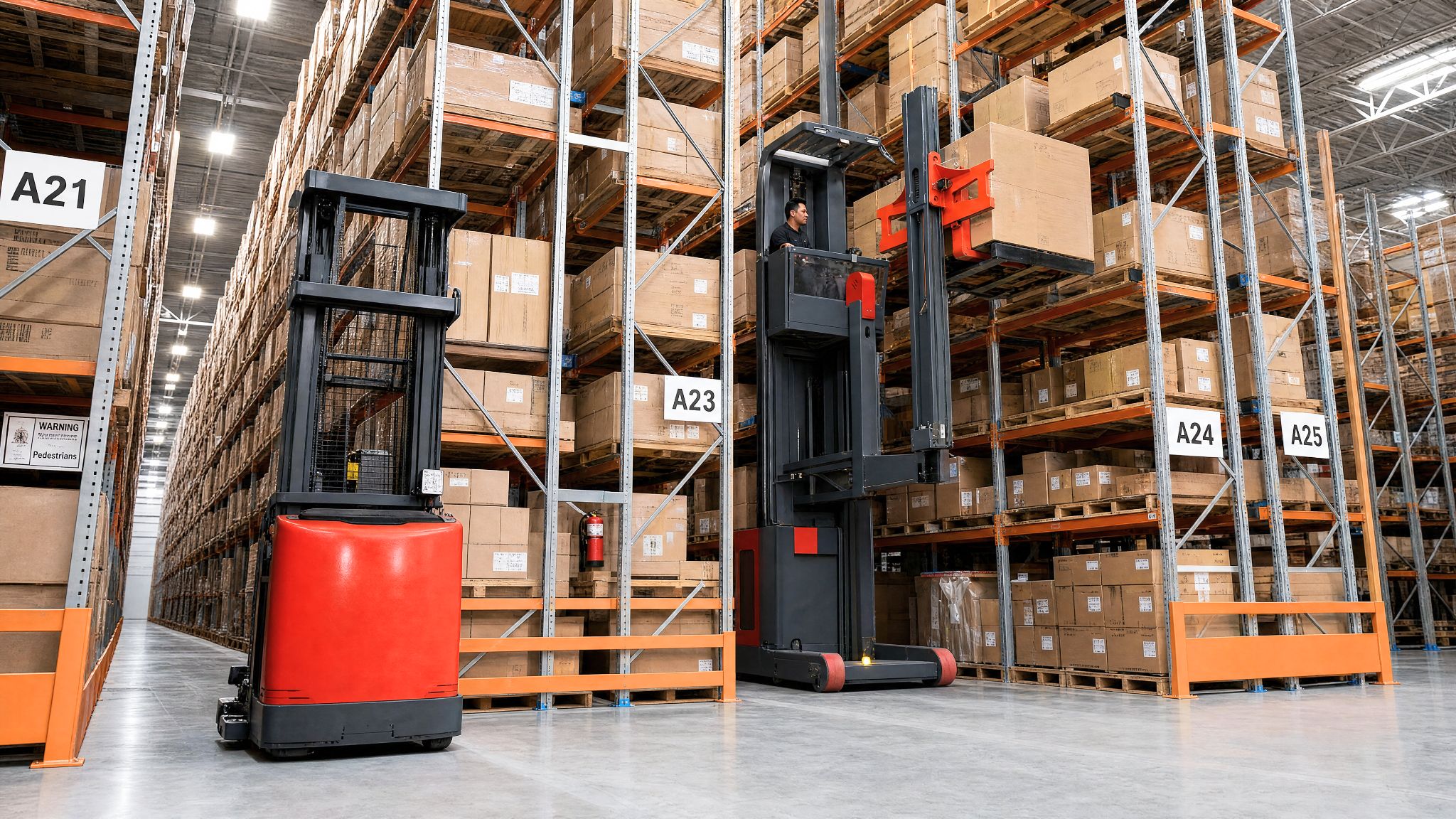
An Australian furniture brand selling premium sofas through its own site and a national retail network cannot use the same 3PL infrastructure as a brand shipping phone cases. It needs oversized racking rated for the weight, specialist lifting equipment, white-glove last-mile delivery and staff who understand that a damaged $3,000 sofa is a customer service crisis, not a claims form. A premium 3PL identifies these requirements before the first shipment and builds the operation to match. A standard warehouse moves the product to the nearest available space and processes any resulting damage claims later.
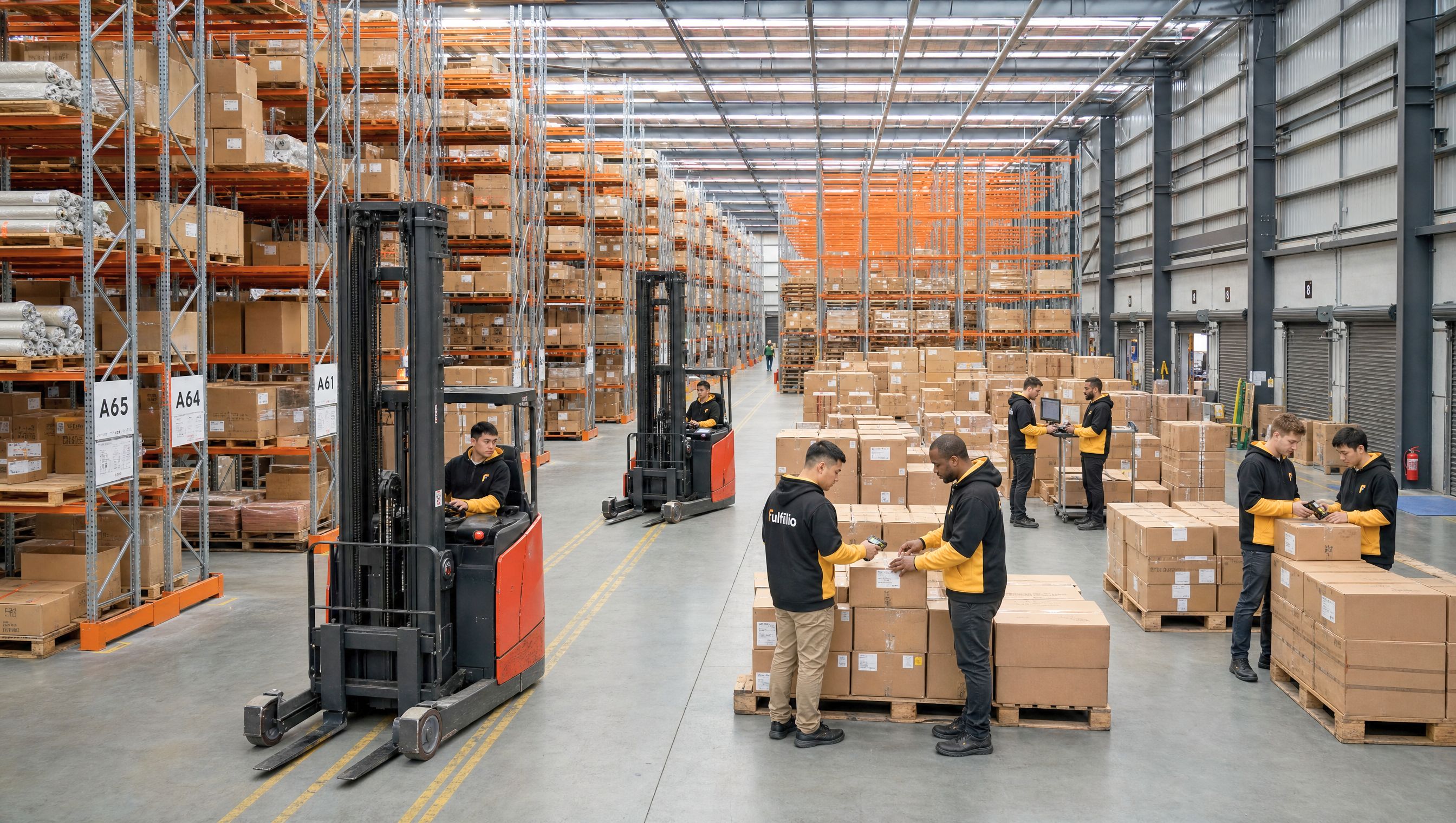
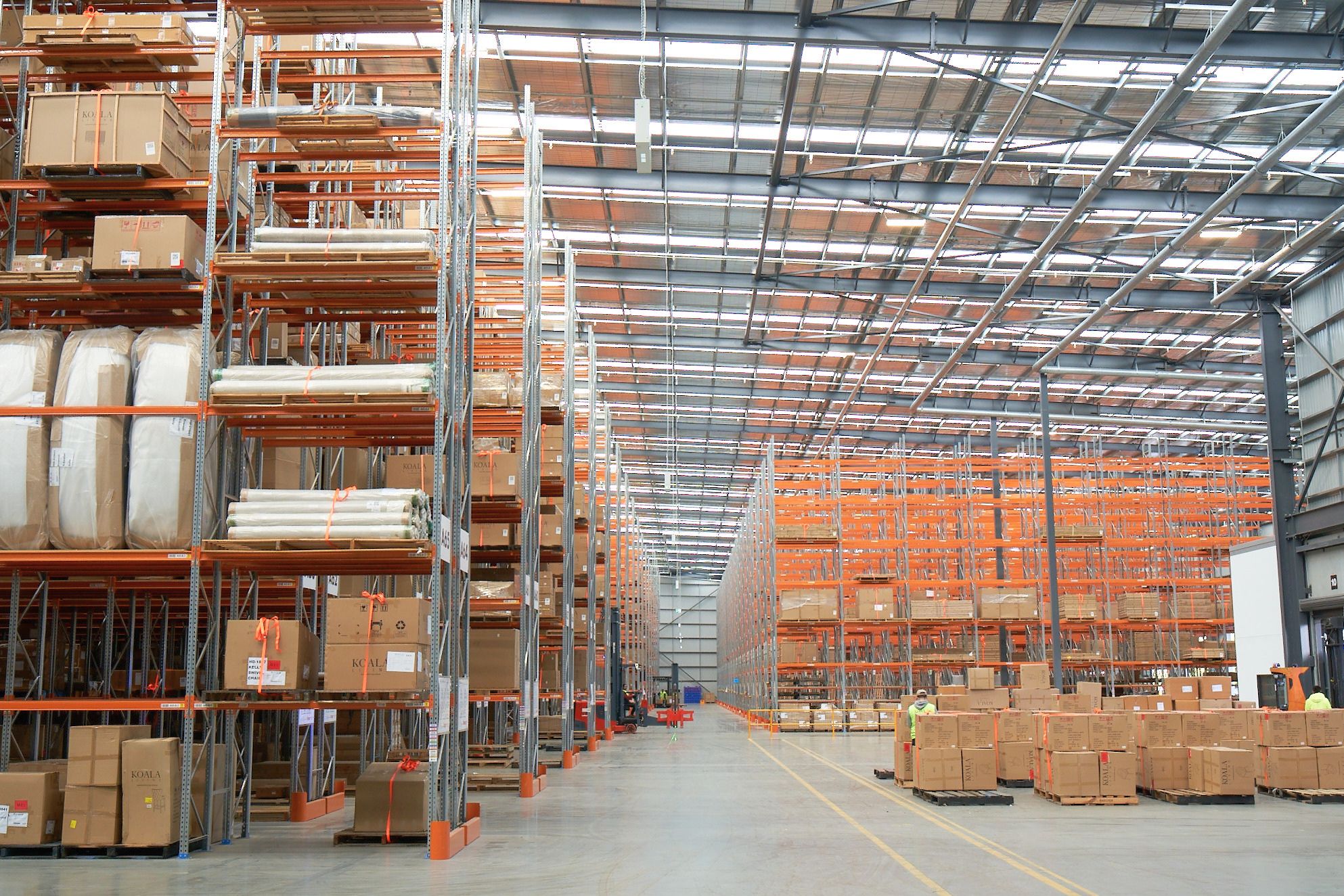
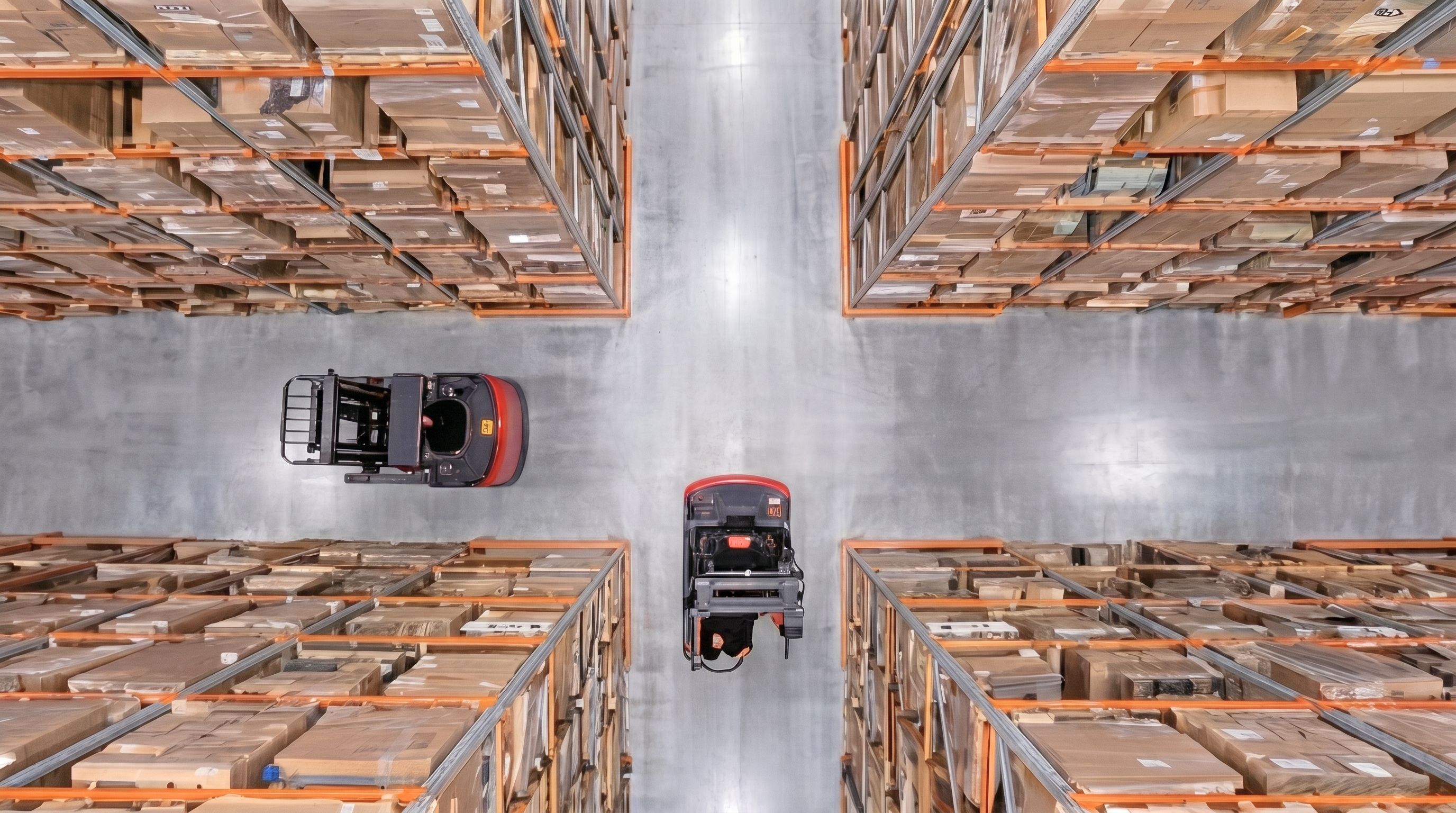
Fulfillio operates 46,000 sqm across five distribution centres with Very Narrow Aisle (VNA) racking to 12 metres. This configuration maximises storage density within the same physical footprint, which translates directly into lower storage costs per unit for you. We work with furniture brands, premium homewares, kitchen appliances and robotics. If you need a custom handling SOP, we write it. If your product does not fit standard racking, we configure storage that does. That is the operational definition of adaptability.
Can you show me a client in my product category and walk me through what you built specifically for them? Not a testimonial. A client I can call.
02 Technology That Gives You Control, Not Just a Dashboard
In 2026, every 3PL will tell you they offer real-time inventory visibility. What they often mean is a portal that shows you what happened yesterday. That is not visibility. That is a log.
A premium 3PL runs technology that connects directly to your order management system, your eCommerce platform and your reporting tools. Directly, not through a third-party middleware layer that introduces lag, errors and another vendor relationship to manage when something breaks.
The difference between visibility and control is simple: visibility tells you what happened. Control tells you what is about to happen and lets you act first. Your 3PL technology should flag that your Perth stock is approaching a reorder threshold before you run out, surface SKU-level accuracy trends before they become a customer complaint, and let you pull your own outbound reports at 10pm without raising a ticket.
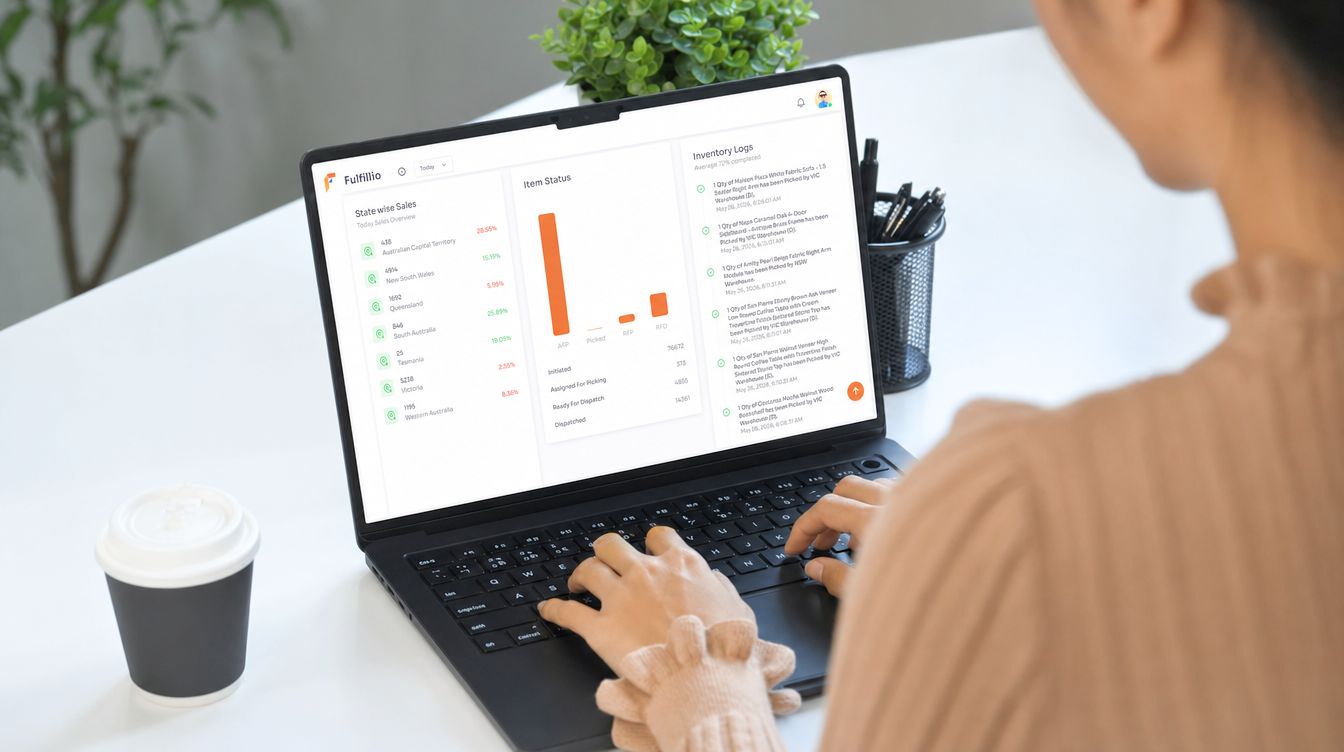
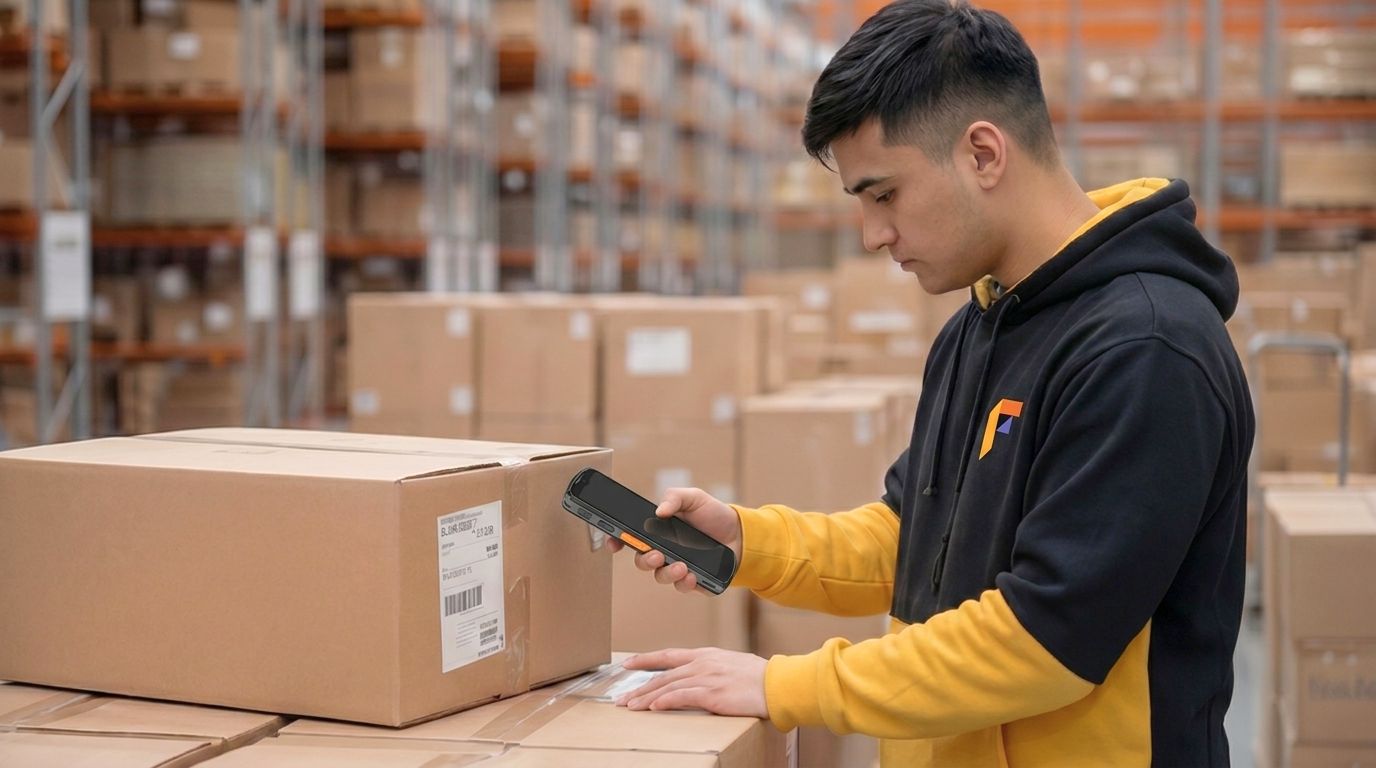
The operational benchmark in 2026 is 99.8% order accuracy or above. The only way to sustain that figure across 65,000 boxes per month is through barcode-driven scanning at every touchpoint, not manual checking. Before signing any 3PL agreement, run a test integration in a staging environment. Send a test order end-to-end and confirm that stock levels, order status and tracking all update in your store automatically and in real time. This 30-minute test tells you more about a 3PL technology stack than any sales presentation ever will.
Fulfillio's WMS, ERP, TMS and client portal are built and maintained by our own internal engineering team. No off-the-shelf platform, no third-party middleware, no waiting for a vendor update when you need a change. If you need a custom integration, a new report format, or a specific automation, we build it. That is what it means to own your technology rather than license it.
Can I see a live demo of the client portal right now, connected to a real account? And show me how you handle a stock discrepancy in real time, not in a recorded walkthrough.
03 Accountability That Shows Up on the Warehouse Floor
Technology handles volume. People handle exceptions. In fulfilment, exceptions are what determine whether your brand survives a difficult week.
A premium 3PL is built on a culture of accountability that is operational, not aspirational. Every person on the warehouse floor knows which brand they are handling, why the handling standards are specific to that brand, and what happens when those standards are not met. That is not a training slide. It is the daily operating reality.
This culture is directly connected to the workforce model. High-turnover, agency-heavy workforces undermine even the best technology and the best processes because there is no institutional knowledge about your product, your packaging requirements or your brand standards. The person picking your order on a Tuesday might be picking someone else's on a Wednesday.
A premium 3PL invests in the stability of its workforce because stable teams deliver consistent outcomes. Consistent outcomes are what your customers experience as reliability.
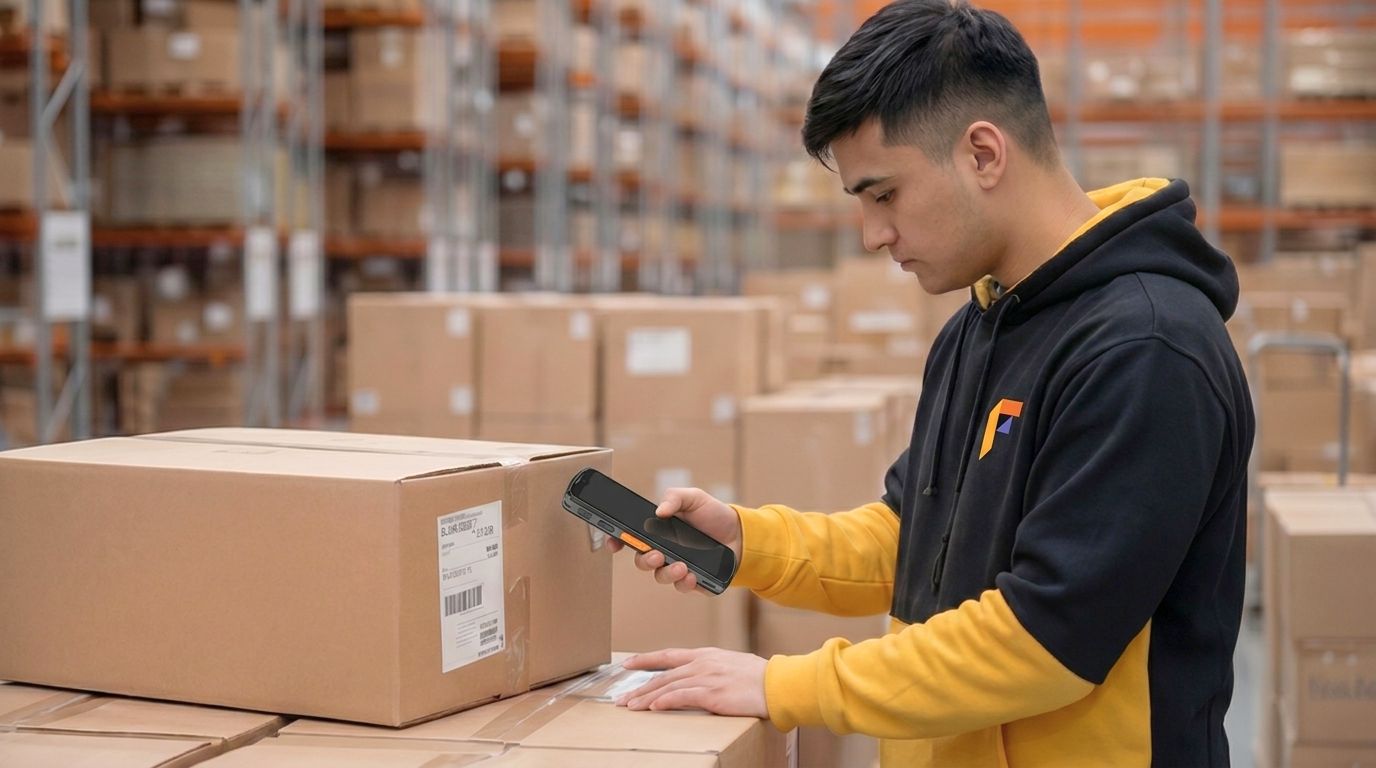
Ask any prospective 3PL this question: if one of my orders is damaged in your facility on a Saturday afternoon, what happens and who do I call? A premium partner gives you a name, a direct number and a specific resolution process. A standard provider gives you a customer service email and a 48-hour response SLA. That answer tells you everything about the culture behind the operation. The technology and infrastructure exist to support the people. If the people are not accountable, none of the rest matters.
What percentage of your warehouse staff are direct employees? What is your average team tenure in each facility? What is your staff turnover rate in the last 12 months?
04 Sustainability Embedded in Operations, Not Printed in a Report
This pillar has moved from differentiator to compliance requirement faster than most businesses planned for.
Under Australia's mandatory sustainability reporting framework, the Australian Sustainability Reporting Standards (ASRS), large entities are required to disclose Scope 3 supply chain emissions from FY2025-26. Your 3PL carbon footprint is part of your annual disclosure, not separate from it. A logistics partner with no emissions data, no renewable energy infrastructure and no reporting capability does not just create a brand problem. It creates a gap in your statutory obligations.
Premium 3PLs in 2026 do not position sustainability as a future intention. They run solar-powered facilities, operate electric fleets, maintain paperless workflows across all sites, and can produce a quarterly breakdown of the carbon intensity of your fulfilment operation by activity type.
The test is simple: ask for an operational emissions report, not a sustainability policy document. One shows you what they actually do. The other shows you what they aspire to.

If a 3PL cannot give you a carbon intensity figure per shipment or per pallet, they cannot help you meet your Scope 3 reporting obligations under the ASRS framework. That is a binary gap, not a gap that goodwill or promises can bridge at audit time. The ASIC regulatory guidance on the ASRS framework is publicly available. Review it with your finance and compliance teams before your next 3PL contract renewal.
Fulfillio's facilities operate with solar power. Warehouse operations run on fully electric machinery, including order pickers, forklifts, turret trucks and tuggers. Operations are paperless across all five sites.
Can you produce a carbon emissions report from the last quarter showing the intensity of my fulfilment operation by activity type? Not a policy. Operational data.
The Benchmark Has Changed
Real-time visibility, fast dispatch and system integration used to be differentiators. In 2026, they are baseline expectations. Any competent 3PL should be able to check those boxes.
What separates the partners worth building a long-term relationship with is adaptability that is specific to your product and operation, technology that gives you genuine control rather than a view of yesterday, a workforce culture grounded in real accountability, and sustainability credentials that live in the operational data rather than in a PDF.
These four pillars are not aspirational. They are the minimum standard a growing Australian brand should demand from its logistics partner. The question is whether your current provider meets all four, or whether you are rationalising a gap you already know is there.