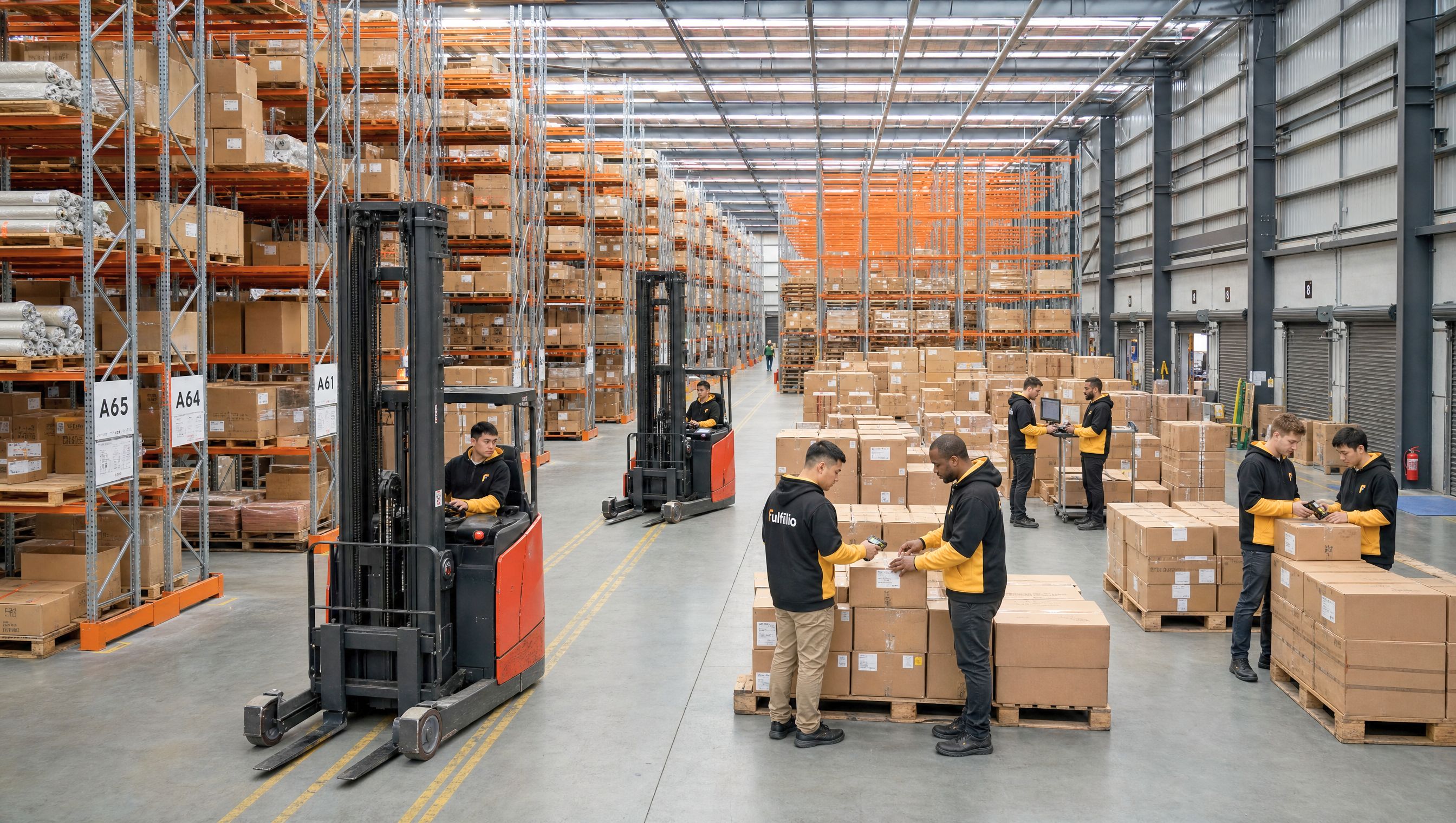
For most eCommerce brands, the fulfilment centre is treated as a cost centre. A line item on the spreadsheet that needs to be minimized. The goal is simple: pick the order, put it in a box, and get it out the door for the lowest possible rate.
This approach misses a fundamental reality: the fulfilment centre is the only physical touchpoint your brand has with your customer. It is where your brand promise is either kept or broken. A customer who receives their order late, damaged, or incomplete does not care how efficient your warehouse operations are. They care that their experience was poor, and they will likely buy elsewhere next time.
A strategic fulfilment centre does not just store and ship products. It acts as an extension of your brand, using technology, infrastructure, and people to improve customer experience, protect margins, and support growth. This article covers what that actually means at an operational level.
The Fulfilment Centre Is Your Brand's Last Touchpoint and Its Most Underinvested One
In eCommerce, the customer journey is almost entirely digital. The ads, the website, the checkout, the email confirmation. The physical delivery is the final step, and it is the one that leaves the most lasting impression.
Most brands spend a significant amount of time and money optimizing the digital experience. They run A/B tests on their checkout, write copy for their email flows, and invest in custom packaging. Yet they often hand the final, critical step over to a 3PL selected purely on price, with little visibility into how the product is handled, packed, or delivered.
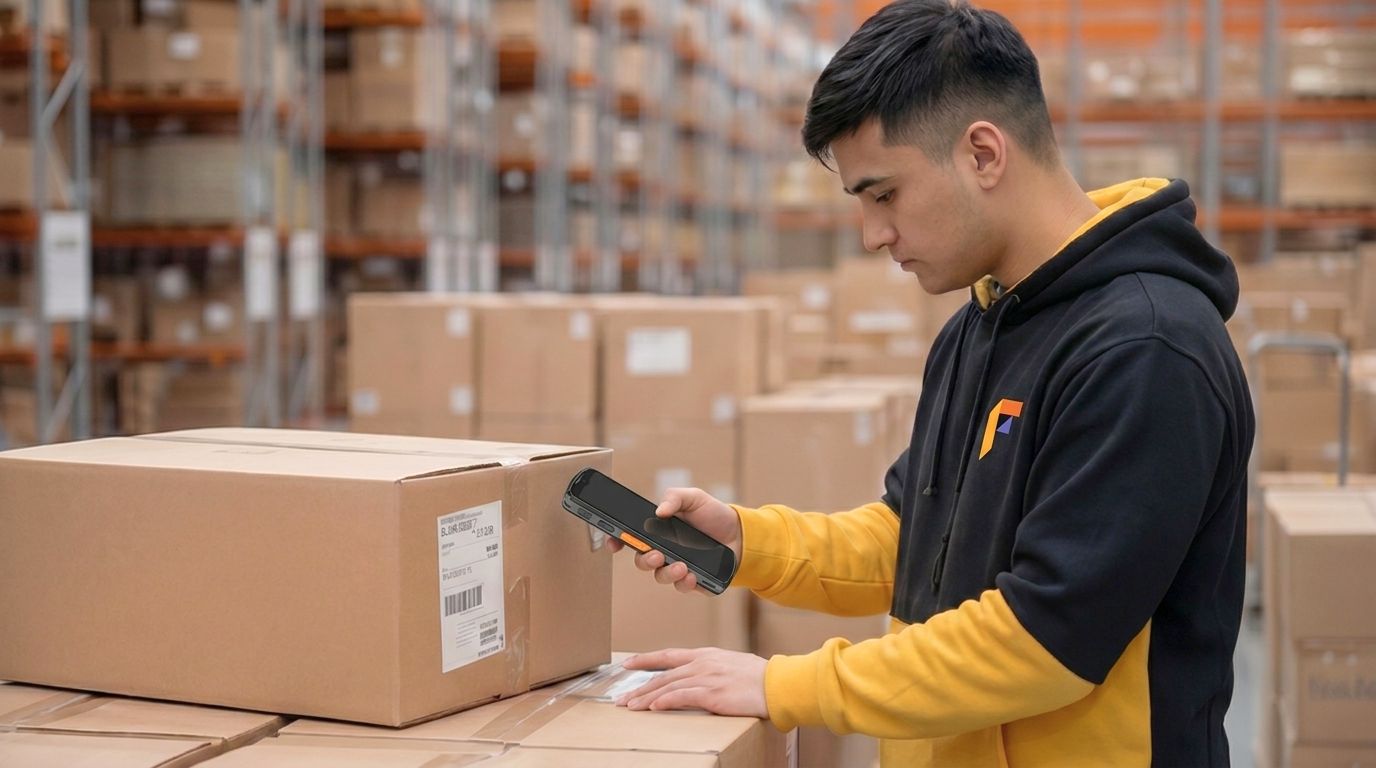
A strategic fulfilment partner understands that they are the custodian of your brand. That means picking accuracy is treated as a customer retention metric, not just a service level agreement. It means packaging is packed consistently and neatly, so the unboxing experience matches the brand positioning. And it means exceptions are handled quickly and transparently, so a delay does not turn into a customer service crisis.
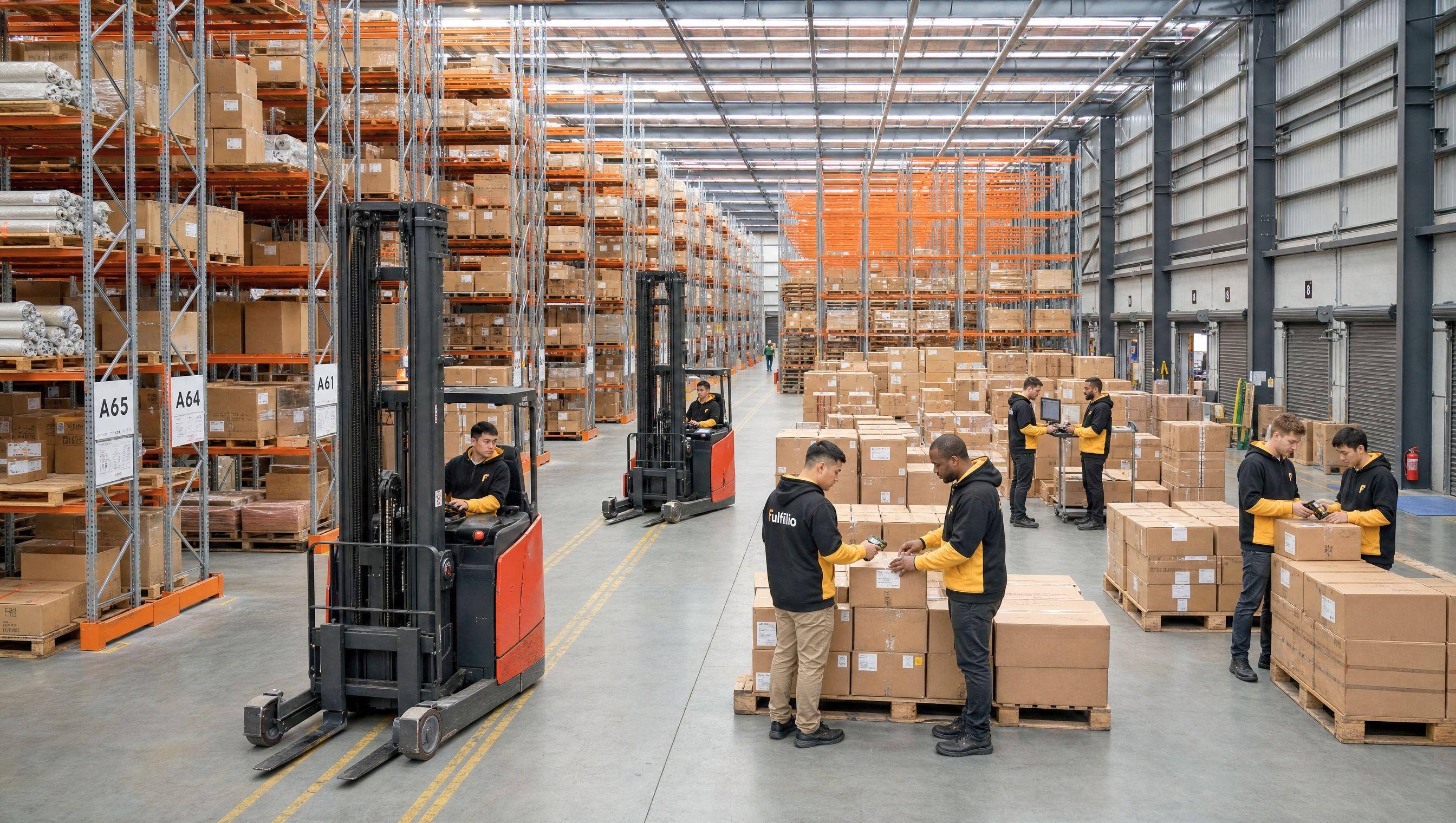
A beauty brand that spends months developing custom, sustainable packaging only to have their 3PL pack the product in a standard plastic satchel with no protection has wasted their investment. A strategic partner collaborates on packaging design, writes specific packing guidelines for the warehouse team, and ensures that every box looks exactly as intended when it arrives on the customer's doorstep. That is the difference between a vendor and a partner.
Inventory Positioning: Where the Warehouse Is Matters as Much as What Happens Inside It
For national brands, storing all inventory in a single Eastern state (VIC or NSW) is a margin and customer experience liability. It means long transit times and high shipping fees for customers in WA, QLD, and SA.
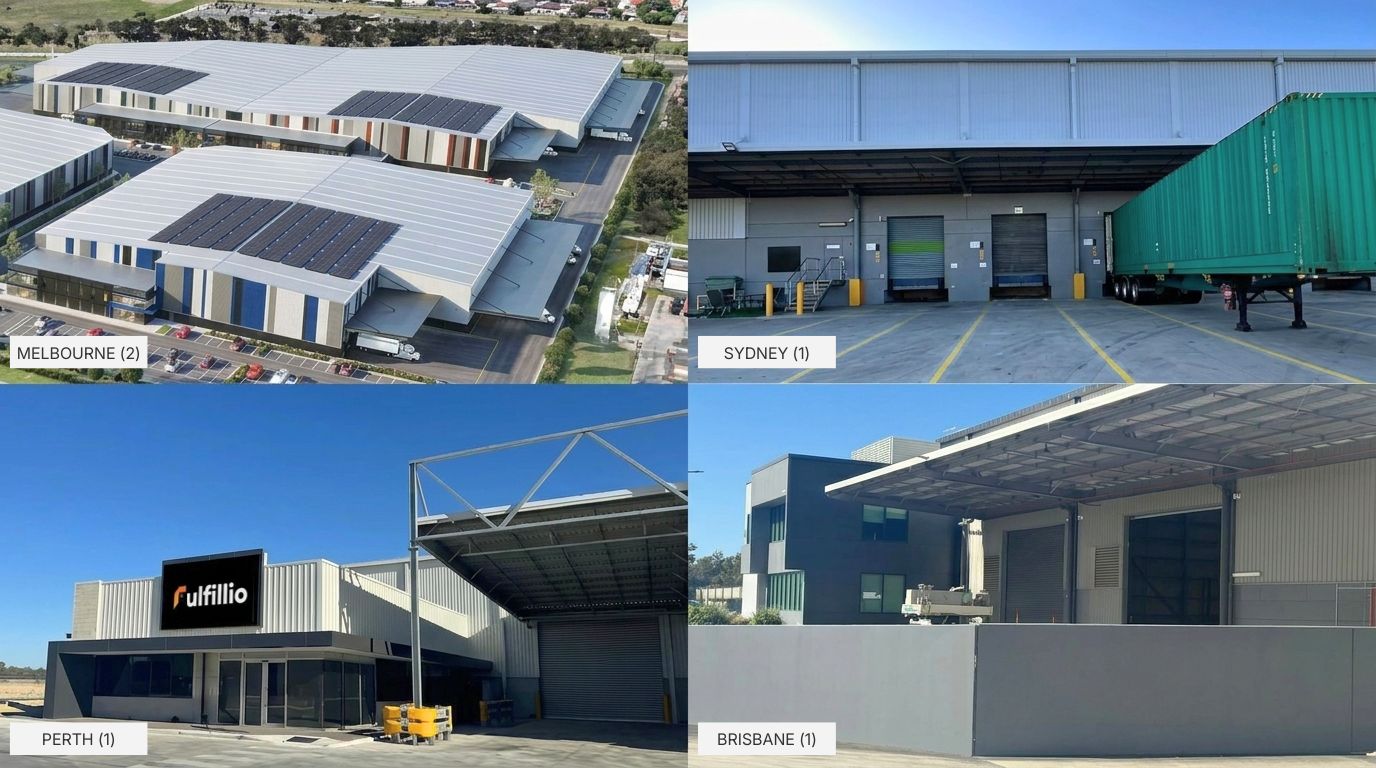
A strategic fulfilment network solves this through distributed inventory. By placing stock across multiple nodes, closer to where your customers actually are, you can reduce transit times, lower shipping costs, and offer more reliable delivery promises.
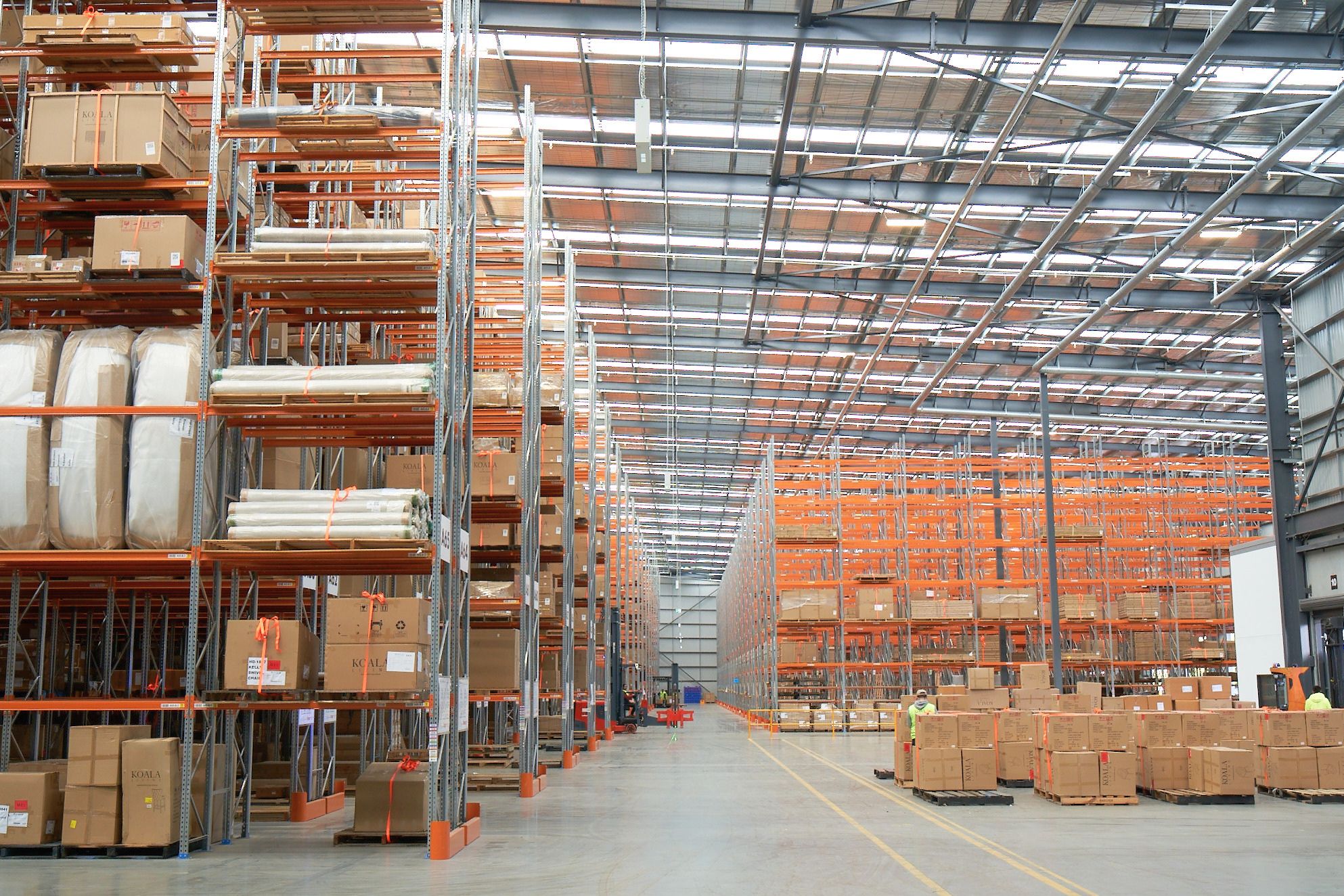
This requires a 3PL with owned facilities in key states, not a network of subcontracts that removes visibility and control. At Fulfillio, we operate five owned distribution centres across Melbourne, Sydney, Brisbane, and Perth. This allows brands to position stock close to their customer base, ensuring consistent service levels national-wide.
Technology: Visibility Is Not a Feature, It Is the Foundation
A strategic fulfilment centre is built on technology. Not a legacy system with a modern interface, but a WMS that integrates with your eCommerce platform and provides real-time data across all sites.
This visibility is essential for managing stock levels, predicting reorder points, and tracking order status. It also allows you to make informed decisions about your operations, such as identifying slow-moving SKUs or auditing carrier performance.
At Fulfillio, our technology stack is built and maintained by our own engineering team. This means we do not rely on third-party software and can build custom integrations, reports, and automations to meet your specific needs. It also means we can resolve technical issues in minutes, rather than raising a support ticket with an external vendor.
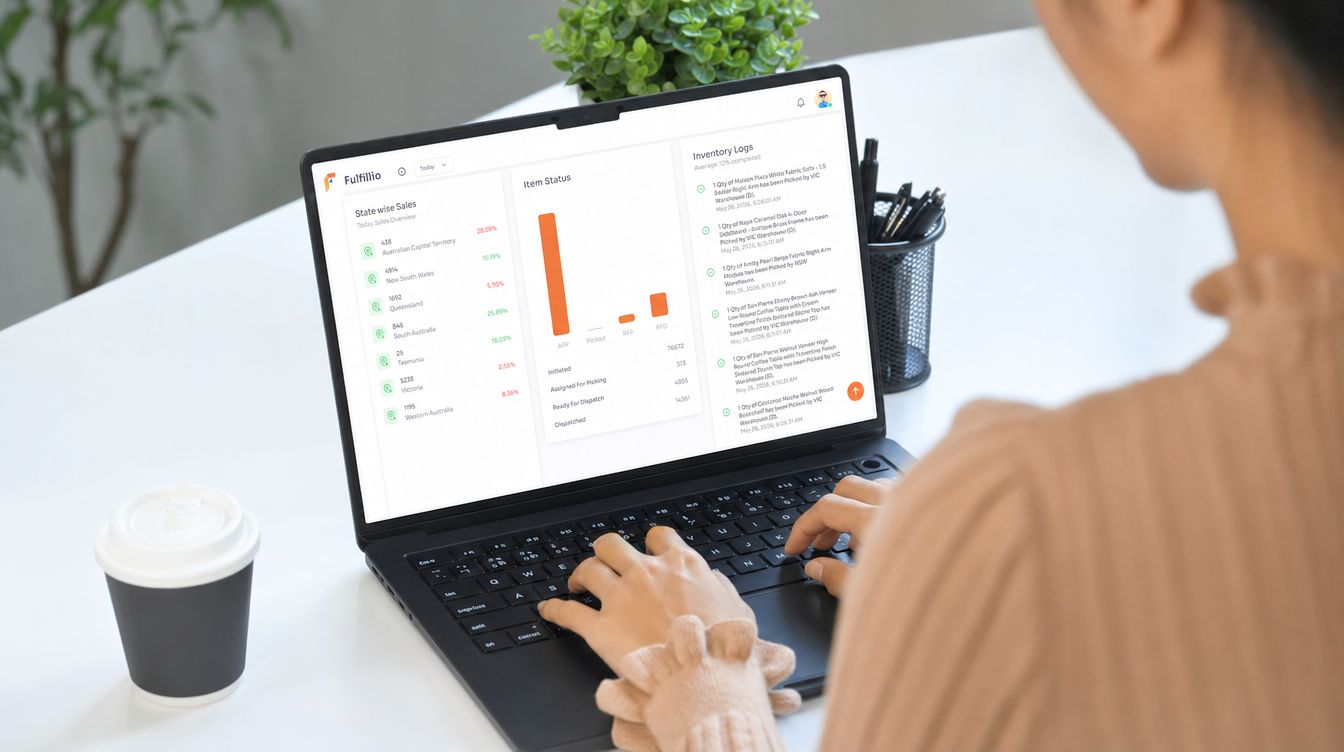
Fulfillio's client portal provides real-time visibility into inventory levels, order progress, and carrier performance across all five distribution centres. You can pull your own reports, manage backorders, and track shipments from a single, live dashboard. It is designed to give you complete control over your logistics operation.
Last-Mile Delivery: Where Visionary Brands Win or Lose the Relationship
The last mile is the most expensive and complex part of the logistics journey, and it is the one where customer satisfaction is most vulnerable.
A strategic fulfilment partner does not just hand parcels over to a single carrier. They use a multi-carrier strategy to ensure that each order is routed through the carrier best suited for the destination, whether that is AusPost for regional areas or a specialized courier for same-day delivery in major cities.
This strategy also includes managing delivery expectations. Reliability is more important than speed alone for most shoppers. Providing accurate, real-time tracking information and proactively managing delays is key to maintaining trust when things go wrong.
Sustainability in 2026: Compliance First, Competitive Advantage Second
Under Australia's mandatory sustainability reporting framework, the ASRS, large companies must disclose their Scope 3 emissions. This includes emissions from their logistics providers.
A strategic partner helps you meet these obligations by tracking and reporting energy, fuel, and waste data from their operations. They also invest in green infrastructure, such as solar-powered warehouses and electric fleets, to actively reduce the footprint you report.
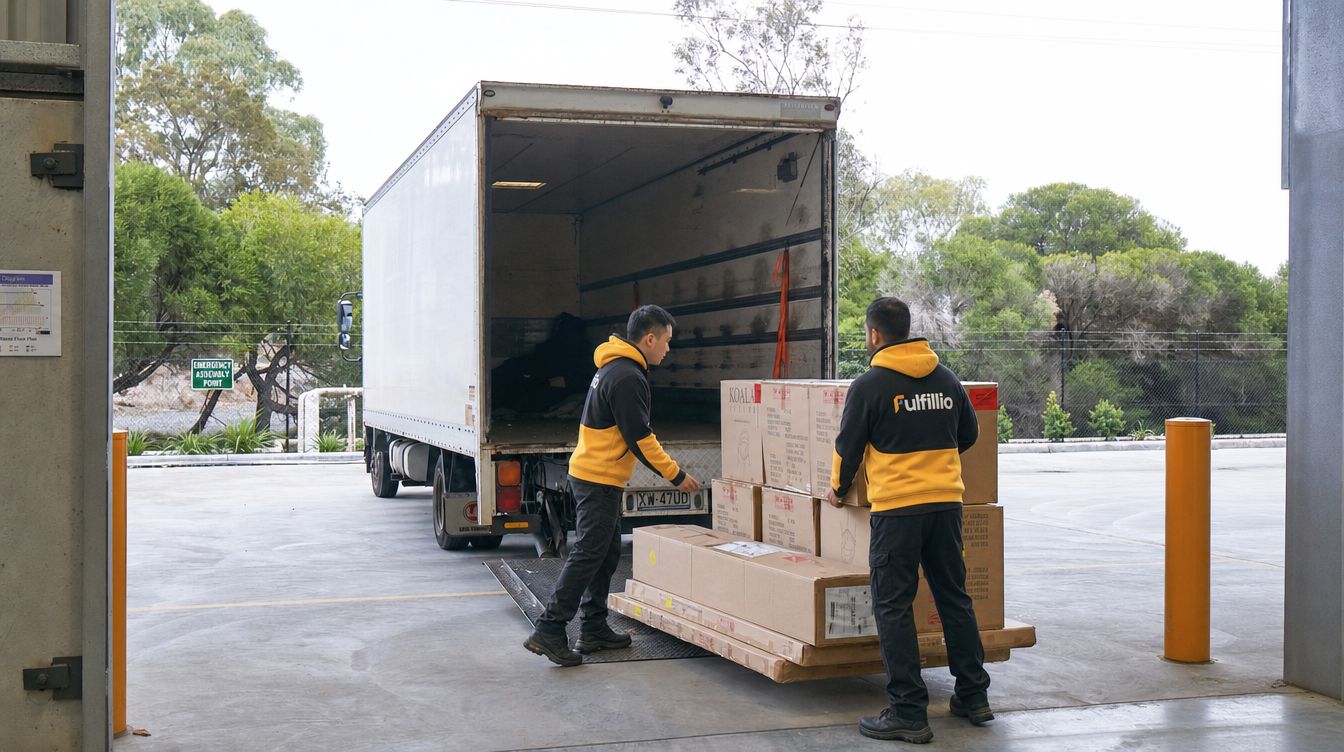
At Fulfillio, all facilities run on solar power and use electric warehouse equipment. Our operations are paperless across all five sites, and we can provide the carbon intensity data you need for your annual disclosures.
Fulfillio's facilities operate with solar power. Warehouse operations run on fully electric machinery, including order pickers, forklifts, turret trucks and tuggers. Operations are paperless across all five sites.
Five Signs Your Current Fulfilment Model Is Limiting Your Brand
If you are experiencing any of these warnings, it may be time to move to a strategic fulfilment model.
| Warning Sign | Logistics Root Cause | Impact on Margin / Brand |
|---|---|---|
| Escalating customer complaints | High error rates in picking/packing operations | Higher return logistics cost, low customer lifetime value, bad reviews |
| Backlog during promotional events | Lack of scalability in warehouse labor / technology | Missed delivery dates, lost repeat purchases, peak holiday bottleneck |
| Multi-zone shipping premiums | All inventory held in a single Eastern state (VIC/NSW) | High shipping fees on WA/QLD orders, eroding margin by 10-15% |
| High levels of dead stock | Poor visibility into SKU-level velocity and turnover | Working capital locked up in storage fees and product write-offs |
| Inability to report supply chain carbon | Logistics provider does not track energy or fuel data | Regulatory gaps in mandatory corporate Scope 3 emissions disclosure |