You signed the contract. Handed over your stock. Introduced your 3PL to the team as if they were a new hire.
Three months later, customers are complaining. Orders are going out late or wrong. Your account manager takes 48 hours to respond. The portal you were promised shows data that is two days old.
You are now mid-switch, and the transition is going to cost you time, stock and customers you cannot afford to lose.
This happens more than it should in Australian logistics. The market has grown fast, valued at over USD $16 billion in 2024 and still expanding. More providers means more choice and more risk. Not every 3PL that wins your business can actually handle it.
This guide walks you through how to evaluate 3PL Australia options and choose the right fulfilment partner before you commit, not after.
Step 1: Define what your products actually need
Before you open a website or take a sales call, document what your fulfilment operation genuinely requires. Most businesses underspecify at this stage and end up with a 3PL that is passable for 80% of their volume and a genuine problem for the other 20%.
The questions that matter most
- What are you shipping? Standard parcels, big and bulky items, fragile goods and high-value products each require fundamentally different infrastructure. A 3PL built for shoe boxes cannot handle big and bulky freight at the same standard.
- What is your volume trajectory? A provider that runs 500 orders per month smoothly can fall apart at 2,000. Ask where their current operational ceiling is and what investment they are making to extend it.
- Are you selling across multiple channels? If you are fulfilling through your own site, a marketplace and a retail wholesale account simultaneously, your 3PL tech stack needs to handle all three without manual workarounds. Ask to see it working before you sign.
- Where are your customers? A single Melbourne warehouse works for Victorian buyers. It adds two to three transit days for Perth. If you sell nationally or plan to, you need a partner with owned distribution centres in the states that matter to your business, not a subcontracting arrangement that removes visibility the moment your freight crosses a state border.
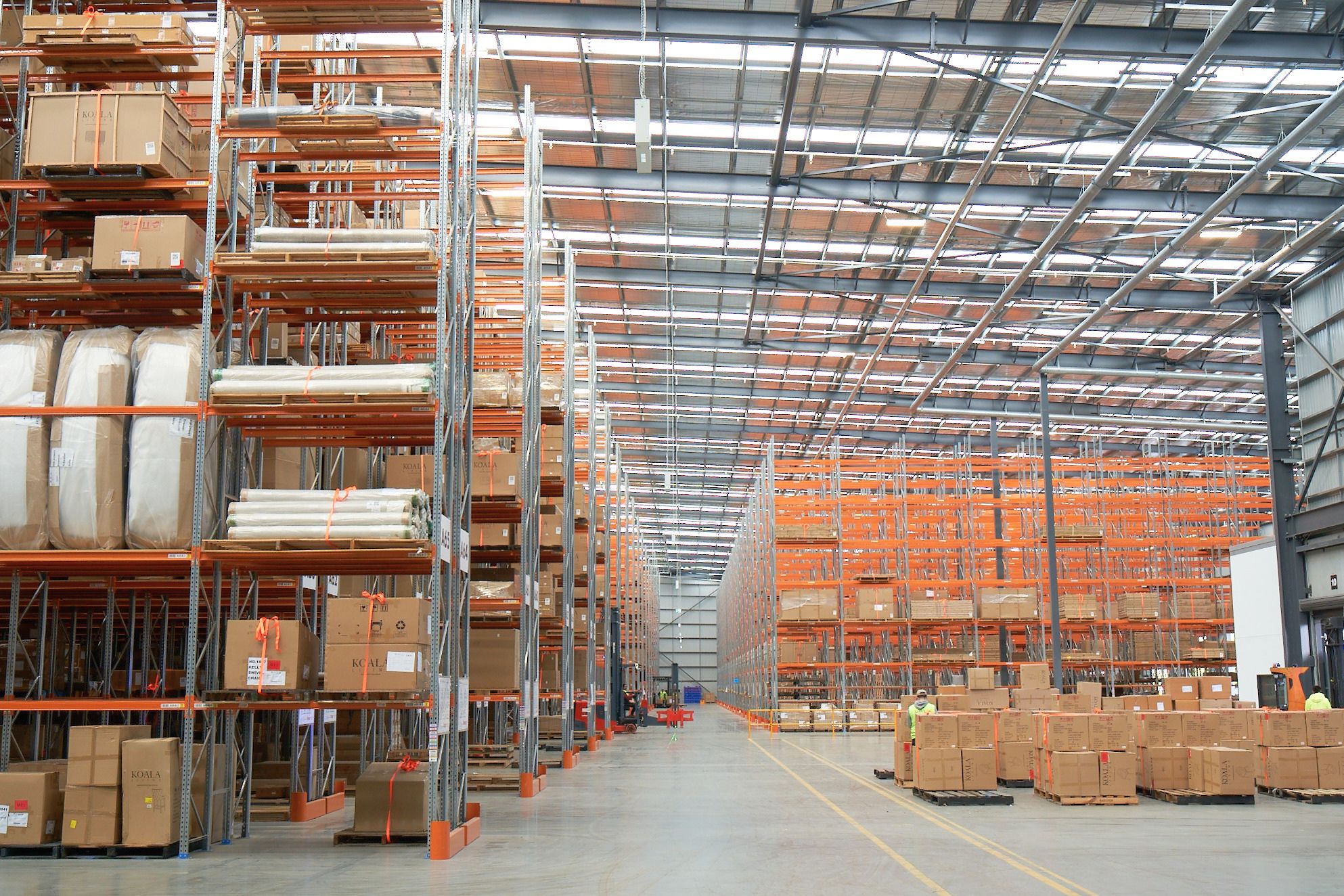
A premium homewares brand selling furniture through its own site and a national retail chain cannot use a standard eCommerce 3PL. The product requires oversized racking, specialised receiving equipment and white-glove last-mile capability. Without those three things, the first month of damaged goods and missed delivery windows will tell you what the selection process did not.
Write your non-negotiables before you speak to anyone. It makes every conversation shorter and every decision easier.
Step 2: Evaluate technology by what they show you, not what they claim
In 2026, any 3PL worth your contract has a Warehouse Management System that gives you real-time inventory visibility. Not a weekly report. Not a spreadsheet emailed on Fridays. A live dashboard you can access at 11pm when a customer calls about an order that was supposed to arrive that morning.
The right questions
- Platform integrations: Does their system connect directly with Shopify, WooCommerce or your ERP? Ask to see a live integration, not a screenshot of one.
- Order accuracy rate: Below 99% is a problem. The best operators in Australia target 99.8% and above. At Fulfillio, 100% order accuracy is an operational standard across 65,000 boxes despatched every month. When accuracy falls short, we make it right.
- Reporting depth: Can you pull your own outbound reports, inbound discrepancy logs and carrier performance data? Or do you have to request them and wait?
- Who owns the technology: Off-the-shelf WMS platforms are built to work for everyone, which means they cannot be adjusted quickly when your business needs something specific. A provider that builds and owns their system can build what you need. One using third-party software will tell you to wait for the next vendor update.
Before you commit to any provider, ask to run a test integration in a staging environment. Place a small order end-to-end and confirm that order status, tracking and inventory levels all update correctly in your store. This takes 30 minutes. If a 3PL will not let you run that test before you sign, that tells you more than any sales presentation.
Step 3: Understand the infrastructure behind the pitch
Every 3PL will tell you they have the capacity and capability to handle your business. What you need to understand is what that actually means at an operational level.
Racking and storage configuration
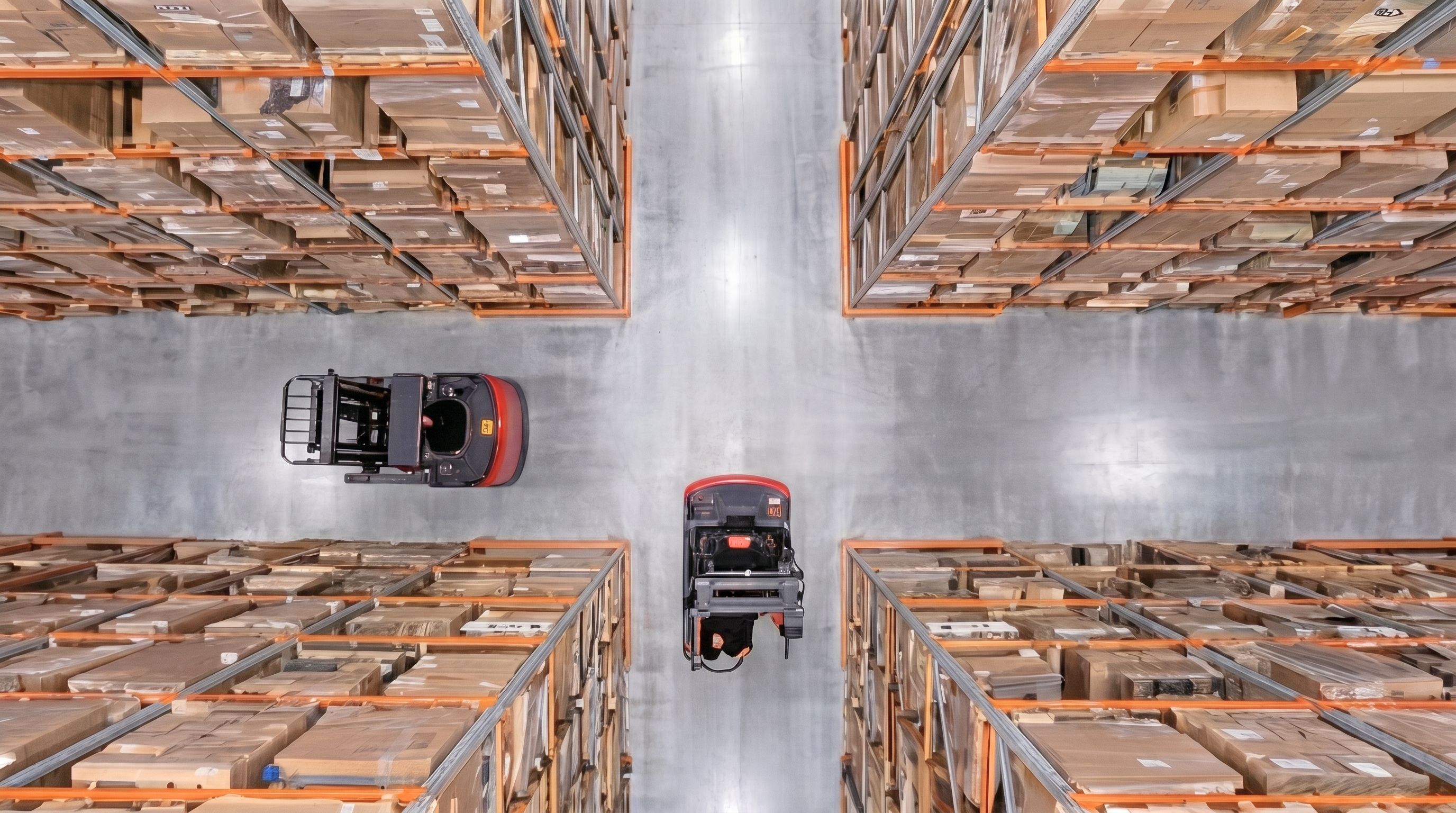
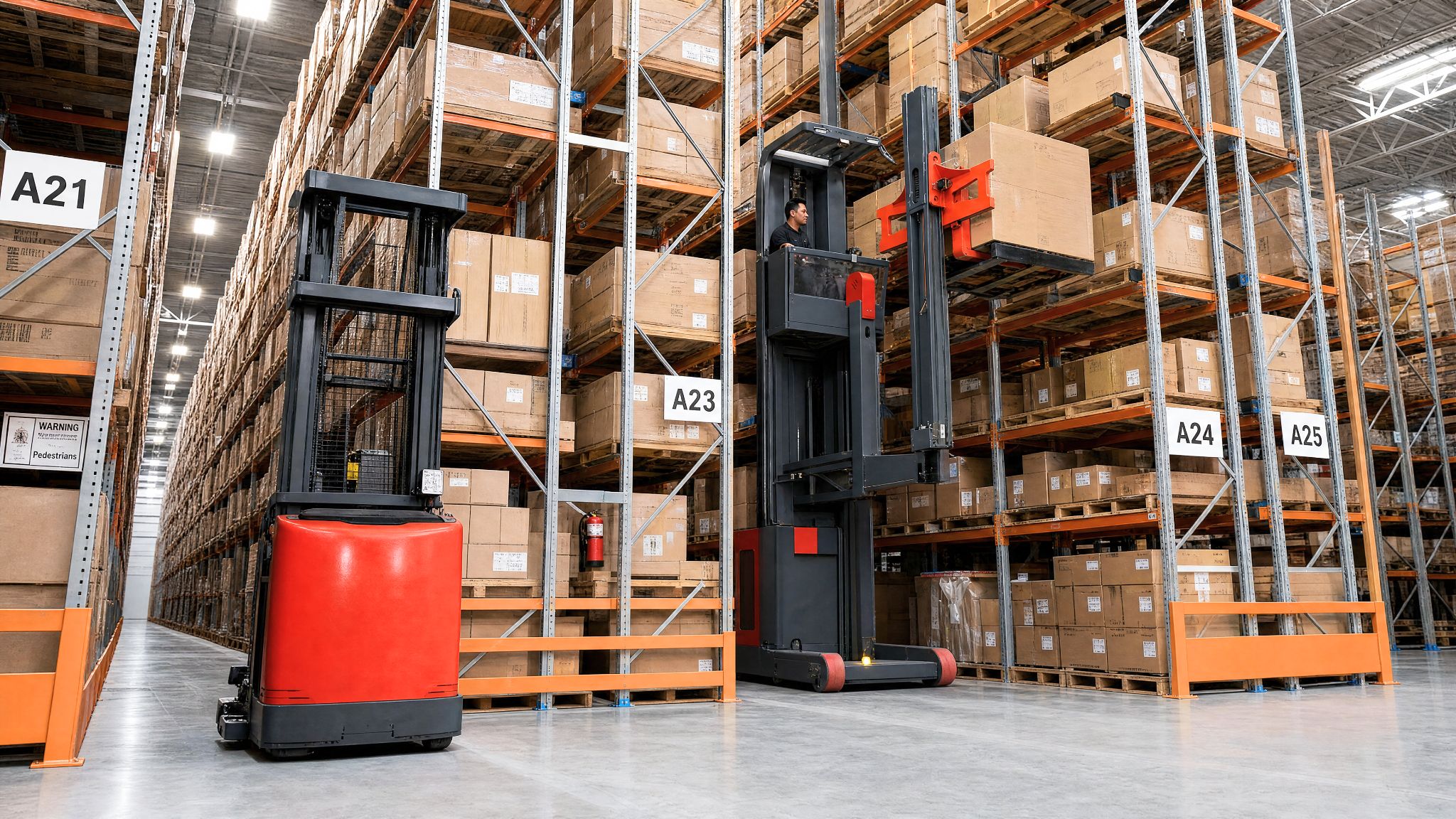
Ask about total square meterage, pallet spaces and racking type. A warehouse using Very Narrow Aisle (VNA) racking stores significantly more product in the same footprint compared to a conventional setup. At 12 metres of usable height, VNA facilities can carry two to three times the pallet density of a standard warehouse. That density translates directly into lower storage costs per unit for you.
If your products are oversized or heavy, confirm that the receiving and picking processes are designed for them. A standard parcels warehouse will put your furniture through a process built for boxes that two people can carry. The result is damage, delays and claims.
Distribution centre ownership vs. subcontracting
For national coverage, the distinction between owned DCs and subcontracted arrangements matters. When a 3PL subcontracts your interstate freight to another provider, you lose the inventory visibility and operational consistency you negotiated. Ask directly: in every state you operate, do you own the facility or are you using a third party?
For most Australian brands, genuine owned presence in VIC, NSW and QLD is the minimum. WA coverage becomes essential when your Perth sales hit a threshold where transit time starts affecting customer satisfaction scores.
Fulfillio operates five owned distribution centres: two in Melbourne, and single facilities in Sydney, Brisbane and Perth. Total footprint: 46,000 sqm, 85,000 pallet spaces, VNA racking to 12 metres.
That infrastructure is purpose-built for products standard 3PLs decline, not repurposed general freight space. We dispatch 65,000 boxes per month across all six Australian states from owned facilities. If you want to see the operation before you decide, we will show you.
Step 4: Test their flexibility before you need it
Most 3PLs are built around a standard model: small parcels, predictable SKU counts, stable monthly volumes. They run that model efficiently. Outside it, performance degrades quickly. The time to find out where their limits are is before you sign, not during your peak period.
Three questions worth getting in writing
- Have you worked with businesses like mine? Ask for case studies and client references. Not testimonials on a website. Actual contact details for clients you can call and ask directly.
- What happens when my volume doubles in November? Get their maximum daily throughput on paper. Ask how they staff for seasonal spikes and what their contingency is when the peak runs longer than expected.
- What happens if my business changes direction? New product line, new channel, new market. A 3PL that cannot adapt with you will force you through a disruptive and expensive transition at the exact time you can least afford one.
A retail brand running a 40% off Black Friday promotion needs a 3PL that can triple throughput in 72 hours. The Australia Post eCommerce Industry Report confirms that three in four Australian online shoppers say the delivery experience directly influences whether they buy again. A fulfilment failure during your biggest trading window does not just cost you that sale. It costs you the customer's next five.
Step 5: Look at the people running the operation
Infrastructure and technology get you to the table. The people running the operation are what separate a 3PL that resolves problems before you hear about them from one you find out about through customer complaints.
Workforce model
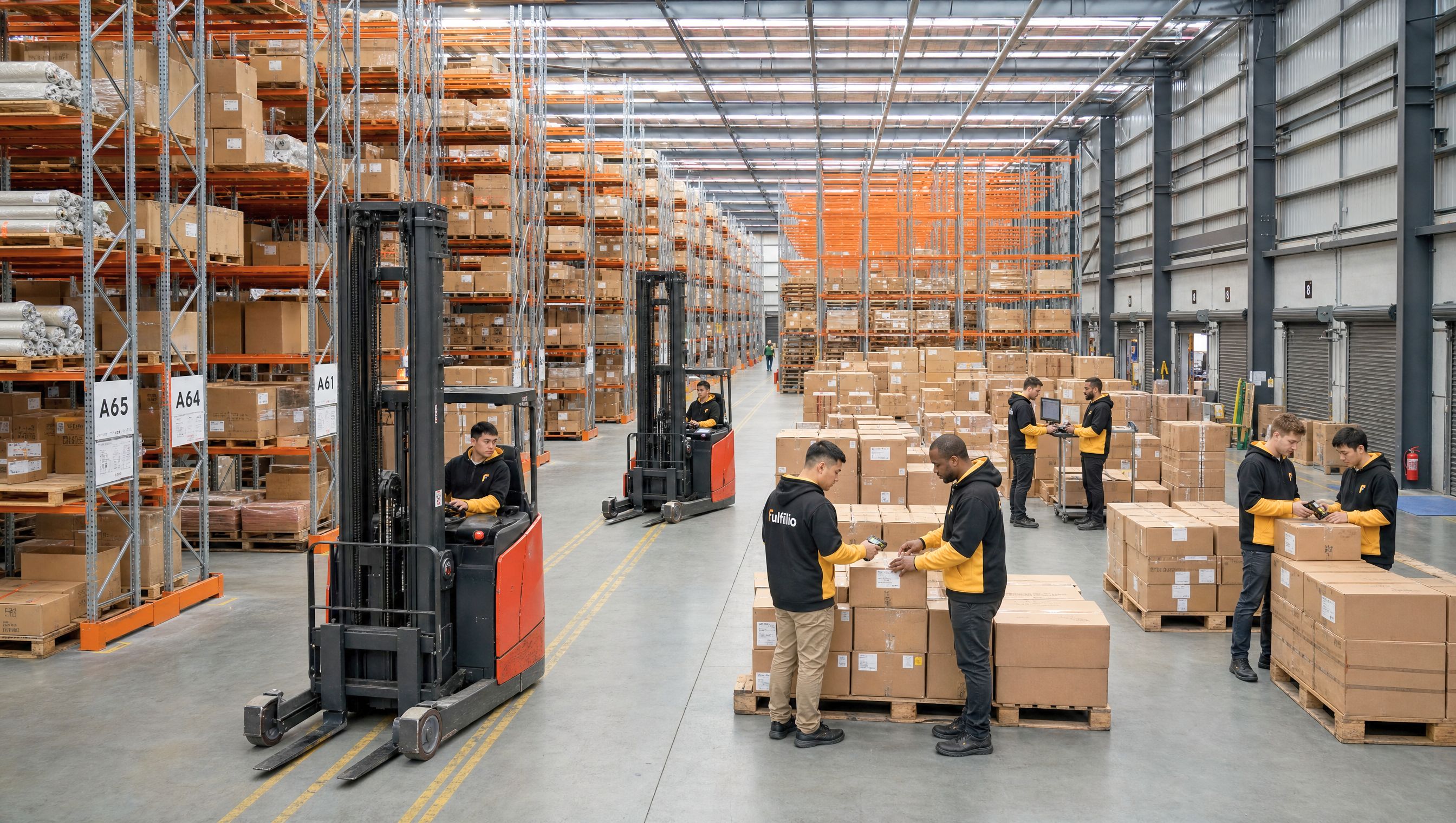
Ask whether the 3PL uses a permanent internal workforce or relies heavily on labour hire and casual contractors. The difference shows up in picking accuracy, product handling and turnaround time. Agency workers cycle through. They carry less product knowledge, less accountability and higher error rates on complex SKUs. When your product is the last physical touchpoint between your brand and your customer, you need someone trained on your specific requirements, not someone placed that morning.
Account management
Ask directly in the first meeting: if one of my orders is damaged on a Saturday afternoon, who do I call and what happens next? A vague answer involving escalation matrices is a red flag. A specific person, a direct number and a clear resolution process is what good looks like.
The difference between a 3PL that resolves issues in hours and one that resolves them in days almost always comes down to whether your account manager has the authority to make a decision without waiting for someone above them.

Step 6: Treat sustainability as the compliance question it now is
Most businesses still evaluate sustainability as a brand preference. In 2026, for entities above the reporting thresholds, it is a compliance obligation.
Under Australia's mandatory sustainability reporting framework, the Australian Sustainability Reporting Standards (ASRS), large entities are required to disclose their Scope 3 supply chain emissions. Your 3PL carbon footprint is part of your published numbers. Selecting a logistics partner with no environmental credentials, no renewable energy infrastructure and no emissions data does not just affect your brand positioning. It can create a gap in your regulatory disclosures.
What to ask
- Do they operate solar-powered facilities or use electric warehouse equipment?
- Are they working toward ISO 14001 environmental management certification?
- Can they provide carbon intensity data per shipment or per pallet?
A provider that cannot quantify its environmental impact cannot help you manage yours.
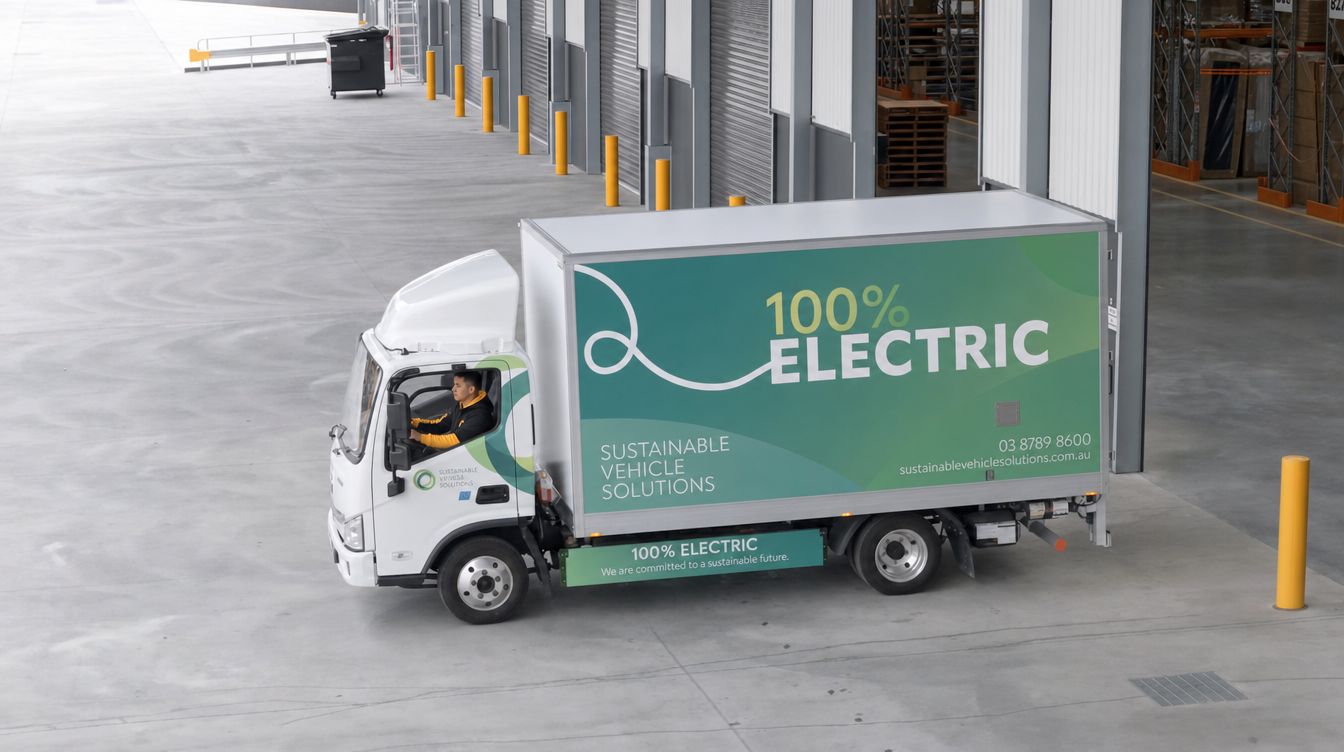
All Fulfillio facilities operate with solar power. Warehouse operations run on fully electric machinery, including order pickers, forklifts, turret trucks and tuggers. Operations are paperless across all five sites.
Step 7: Read the contract before you negotiate anything else
Fulfilment contracts look straightforward until you need to leave one.
Four things to check closely
- Lock-in periods and exit clauses: What notice period is required? What happens to your stock on termination? Is there a minimum spend commitment that survives the exit clause?
- SLA definitions: What does on-time dispatch actually mean? One Australian retailer discovered post-signing that same-day dispatch was defined as any time before midnight. The SLA was technically met every single day. Read the definitions, not just the headlines.
- Price escalation clauses: Can they raise storage or handling fees mid-contract? How much notice are they required to give and under what conditions?
- Data portability: When you leave, do you own your order history, inventory records and customer data? In what format and on what timeline?
Step 8: Model the real cost, not just the headline rate
Storage and pick-and-pack rates are the number you see in the proposal. They are rarely the number that appears on the invoice. Before you compare providers on price, build a full cost model using your actual SKU profile and order mix.
- Storage fees per pallet or cubic metre
- Pick-and-pack rates across different order types and SKU sizes
- Inbound receiving fees
- Carrier rates and zone charges by destination state
- Returns processing
- Technology or portal access fees
- Minimum monthly commitments
- Surcharges for large, heavy or fragile items
A provider with a lower headline rate but product-specific surcharges on everything in your catalogue will cost more in practice. Run the model on your real numbers before you decide.
Ask each provider to quote against the same standardised SKU profile. It is the only way to make a valid comparison.
Evaluation summary: what to ask and what to watch for
Use this as your working checklist. Run every provider through the same questions.
| Criteria | What to Ask | Red Flags |
|---|---|---|
| Product fit | Can you handle oversized, fragile or high-value items? | Vague answer or undisclosed size limits |
| Technology | Can I see a live demo of the client portal today? | Off-the-shelf WMS, no real-time visibility |
| Infrastructure | What is your racking height and total pallet capacity? | No VNA racking, generic parcel setup |
| National coverage | Do you own your DC in every state you quote? | Subcontracted interstate fulfilment |
| Flexibility | Show me a client with similar volume and product type. | Generic case studies, no direct references |
| People | Who do I call at 7am Saturday if something goes wrong? | Escalation process, no direct contact |
| Sustainability | Can you quantify my Scope 3 emissions per shipment? | No solar, no fleet data, no ISO pathway |
| Contract terms | How is on-time dispatch defined in your SLA? | Midnight-cutoff definitions, long lock-ins |
| True cost | Give me an all-in rate for my actual SKU profile. | Low headline rate with surcharge-heavy addenda |